
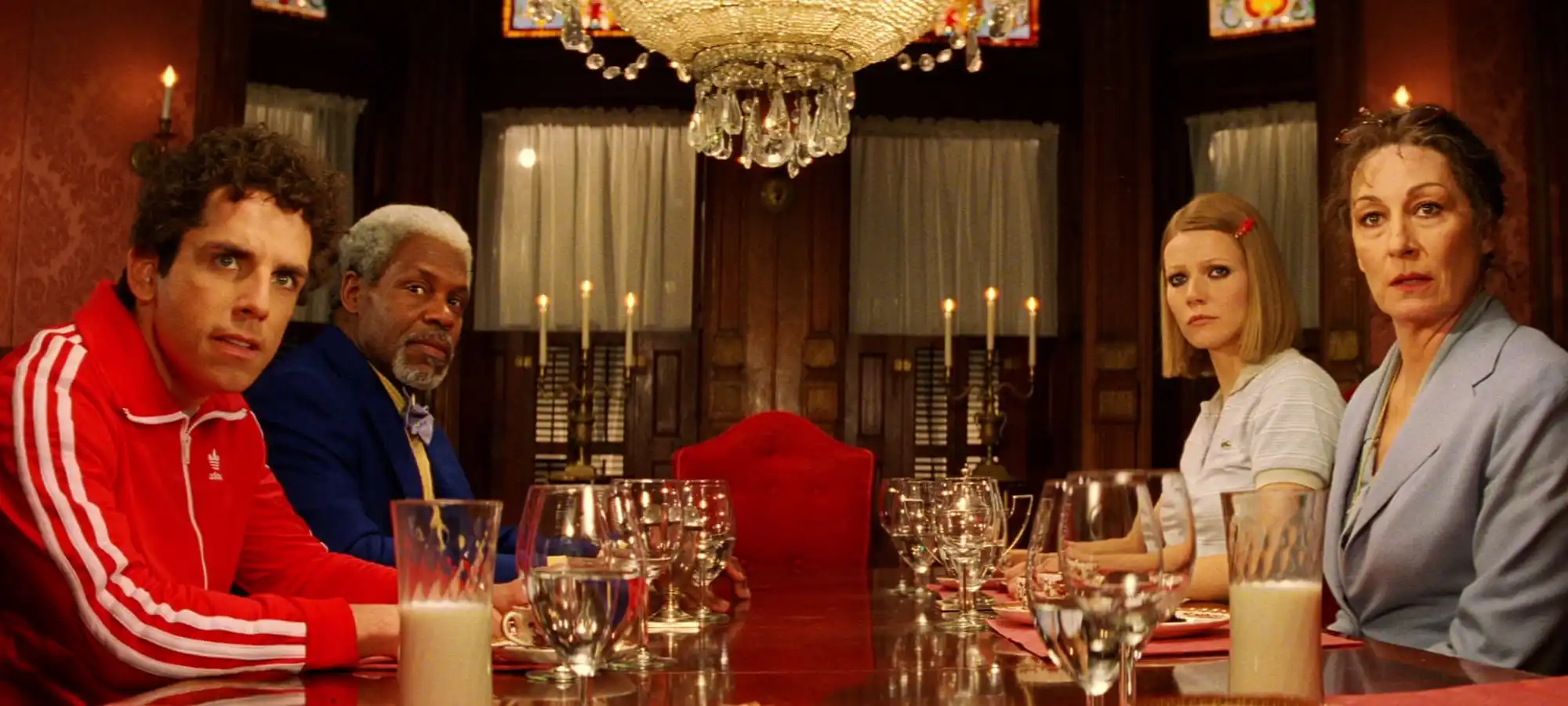
Auteur theory is the belief that a director has such an impression and grasp on their vision of their films that they become the “author” of their features, creating a creative palate of themes, techniques, and troupes that are reoccurring in their filmography. There are three components of the auteur theory: technical competence, distinguishable personality, and interior meaning. It has been said that Wes Anderson is a modern day auteur with how stylized his movies and tailored to his filmography’s personality. It is very easy to distinguish a Wes Anderson film after certain traits, themes, and techniques are picked up on.

When looking at Wes Anderson’s technical competence and distinguishable personality, he is a huge fan of incorporating tableau shots into his films. According to Indian film theorist and historian, Ravi Vasudevan, a tableau shot is presented frontally at a 180″ plane to the camera, on the verge of complete stillness and inactivity, and loaded with meaning.

In simpler terms, it’s a form of a wide/long shot. A distinguishable personality of Wes Anderson’s cinematic characters is their lack of overt emotion and deadpan delivery. These personality traits paired with the tableau shot allows for this awkward air to the shot, creating comedic tension amongst the actors and the audience. However, the tableau shot allows for great moments of melodramatic peacefulness. For example, while not much is said between Richie and Margot in the picture above in The Royal Tenenbaums, a lot can in inferred about the relationship’s dynamic based on the soft looks exchanged.

When looking at the mise en scene of an Anderson flick, Anderson bridges between a theatrical and traditional setting, creating a reminiscing sense of the art nouveau style, popularized in the United States from 1890 to 1910. For instance, in this scene in The Royal Tenenbaums, Richie attempts to take his own life, and while the setting of the scene is traditional (a bathroom), the cinematography heightens the experience with the light matching the characters emotions. These emotional color palettes and schemes create a rhythmic whimsy to his films. While associative colors are not recognized as a key trademark of Anderson films, heightened color palettes are and the use of color is often metaphorical in Wes Anderson movies.

The heightened color palette of Wes Anderson movies allow for metaphorical color schemes to be incorporated into the narrative storytelling of the film. In Moonrise Kingdom, yellow is associated with the feeling of optimism. Despite the unfortunate circumstance he finds himself in, protagonist Sam always has an innocent and cheerful attitude and outlook on life, and it’s not a coincidence that he is often wearing the color yellow.

Anderson’s auteur theory lays the ground work in his shot composition. There is not a singular Anderson film where symmetrical compositions are not used. Again, these symmetrical compositions often find themselves paired with a long or wide shot with the camera more focused on the bigger picture rather than following the actor, but they can also be paired with medium or close up shots.

Wes Anderson also tends to use still camera or foregrounded camera movement throughout his pictures. Like previously mentioned, the camera stays rested on the setting and more concerned with the symmetry of the frame rather than the actors. The actors often come and go from the frame while the camera continually stays stationary and center.

A highlight of auteur theory is the director’s distinguishable personality, and this often involves whether the director has a set group of certain actors that are prominently featured in their films. Wes Anderson one hundred has some favorites he chooses to working with time after time. Bill Murray, Jason Schwartzman, Owen Wilson, Luke Wilson, Adrien Brody, and Tilda Swinton often finding themselves working over and over again with Wes Anderson. Owen Wilson has been with Wes Anderson since the very beginning, being his college roommate at University of Texas, and they frequently collaborate on writing screenplays.

Throughout Wes Anderson’s films, there is common theme that creates his interior meaning throughout the film’s narrative structure. Interior meaning is the commentary the director makes on the human condition. Wes Anderson’s film. Anderson’s films are often identified comedies seen through a melodramatic lens. His films often incorporate themes of brokenness but being resolved with the warmth of (found) families.

Anderson films often have the common reoccurring themes of childhood, innocence, protagonists with traumas of their past, damaged families, and love stories. In Moonrise Kingdom, Sam and Suzy, two adventurous, young, misunderstood outcasts, fall in love and run away from a world that could not understand them. Both kids come from troubled pasts with Sam being an orphan in a cruel foster system and Suzy’s parents think she is troubled, reinforcing the themes of childhood, innocence, protagonists with trauma in their past, love, and damaged families. The Royal Tenenbaums fully embraces these themes as the story centers around three gifted sibling prodigies after they’ve grown up and their fame has simmered and their strained relationship with their absent father.

Without a doubt, love always seems to find its way as being a main message in Wes Anderson films. Both The Royal Tenenbaums and Moonrise Kingdom put its characters through melodramatic events that Wes Anderson morphs into comedic, deadpan moments, but they always end with the characters finding someone they can love or rely on, fixing the damage and baggage that start the film with.
Leave a Reply